Intuitive Touch: Awaken the Ancient Healer Within

Unlock the secrets of pressure point massage and intuitive healing with our transformative guide.
Create a hyperrealistic, 8K resolution header image. The central focus is a pair of hands gently applying pressure to a meridian point on a person's back. The atmosphere should evoke tranquility and ancient wisdom. Lighting should be soft and warm, reminiscent of candlelight or a sunrise, highlighting the textures of the skin and clothing. The color palette should be earthy, with tones of gold, brown, and amber. The subject should be adorned with subtle, ancient-inspired jewelry. In the background, hint at an ancient temple or a serene natural landscape shrouded in mist, creating a sense of history and connection to ancient healing practices. Camera angle: Slightly elevated, capturing the connection between the hands and the recipient's back. Style reference: blend the aesthetics of classical Asian art with modern photorealism. Overall, convey the essence of intuitive touch and the power of ancient healing traditions in a single, captivating image.

Unlocking Wellness: Ancient Healing Through Pressure Points and Intuition

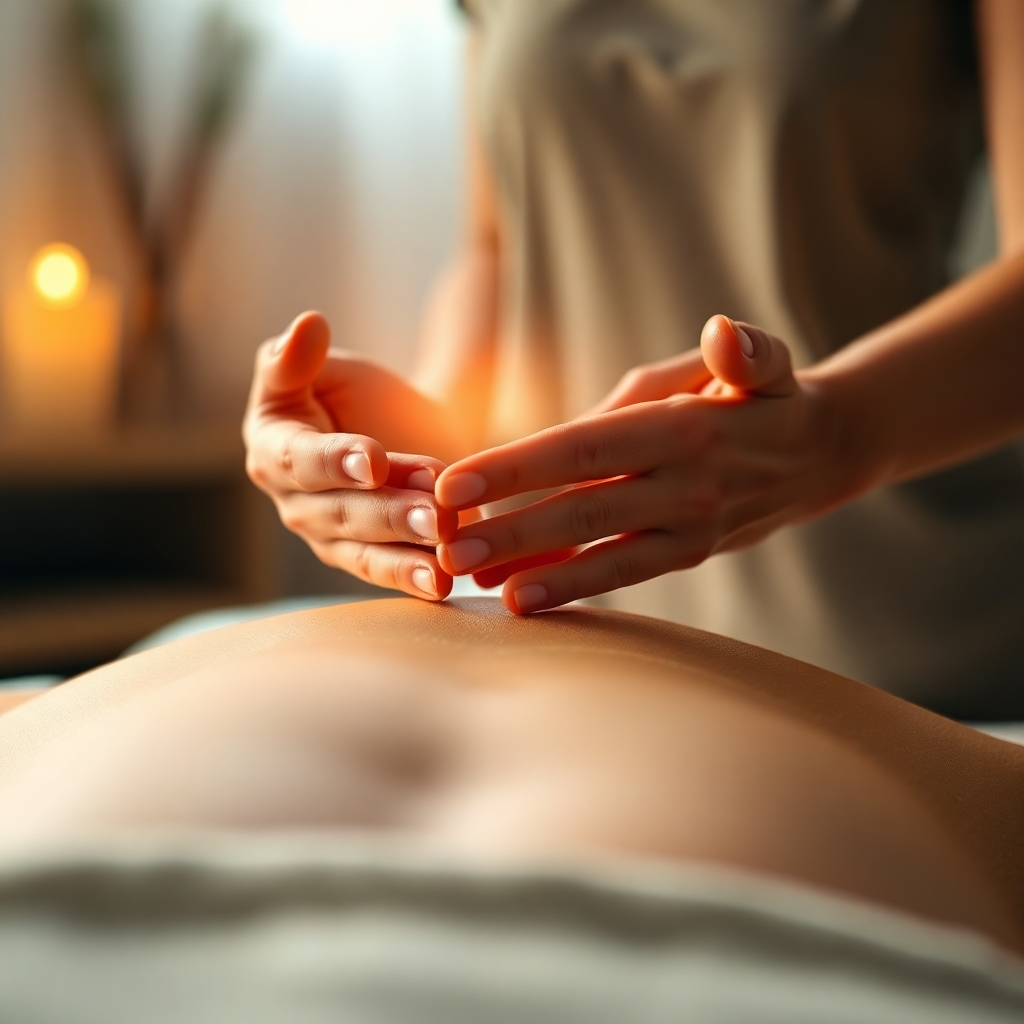
Create a photorealistic image of a massage therapist's hands hovering gently above a client's back, emanating a soft, warm glow. The focus should be on the flow of energy between the hands and the body. The background should be blurred and out of focus, suggesting a peaceful and calming environment. Soft, diffused lighting should illuminate the scene, highlighting the textures of skin and clothing. Use a warm color palette of golds, oranges, and yellows to convey a sense of healing and well-being. Camera angle: close-up, focusing on the hands and the client's back. Style: ethereal and dreamlike.

The Essence of Intuitive Touch

Intuitive touch goes beyond technique. It involves listening to the body's subtle cues and responding with mindful, healing intention.

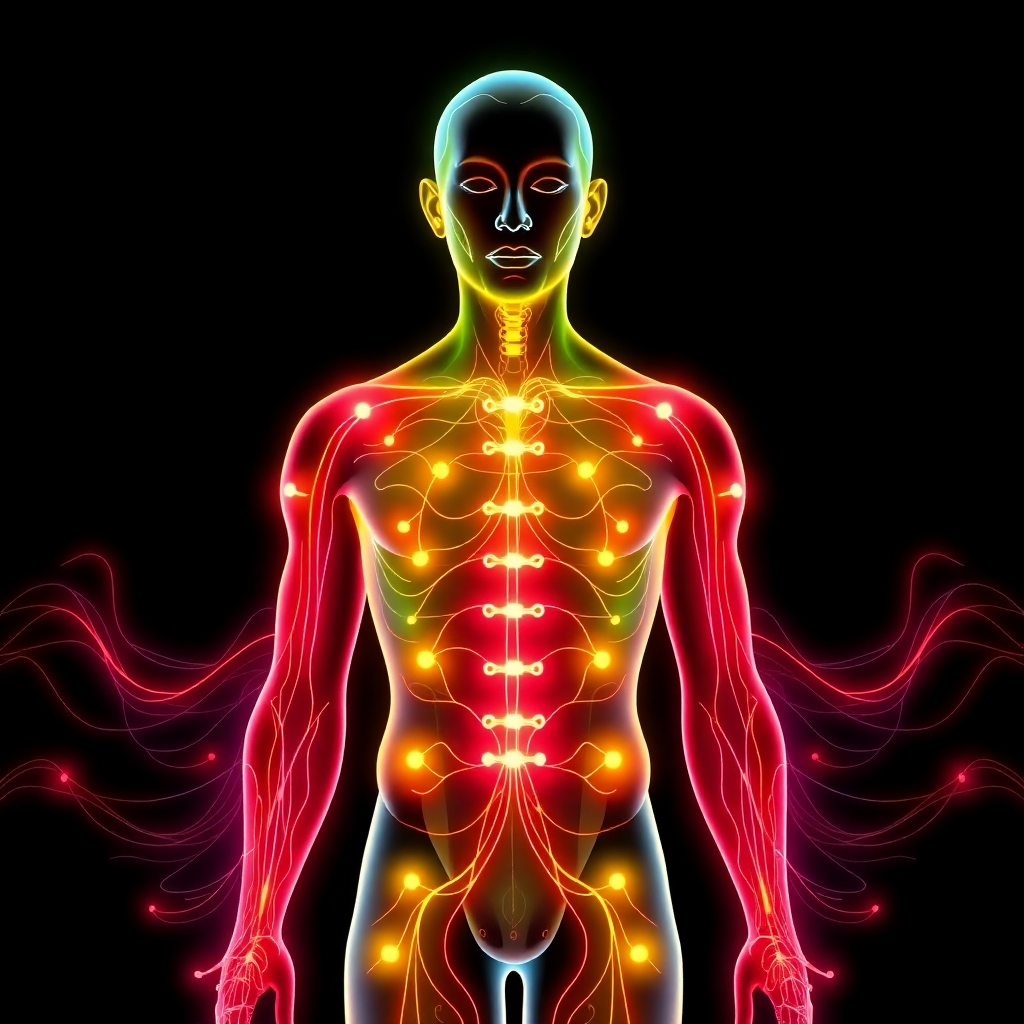
Generate a stylized image showcasing the meridian lines and pressure points on the human body. Use vibrant, glowing colors to represent the flow of energy (qi) along these pathways. The background should be a dark, contrasting color to make the energy lines stand out. The human figure should be rendered in a semi-transparent style, allowing the viewer to see the underlying energy system. Camera angle: full body view. Style: a blend of anatomical illustration and abstract art. Consider incorporating elements of ancient Chinese art, such as calligraphy or symbols, to enhance the sense of history and tradition.

Pressure Points and Energy Flow

Discover how pressure points unlock energy pathways, releasing blockages and restoring balance within the body.

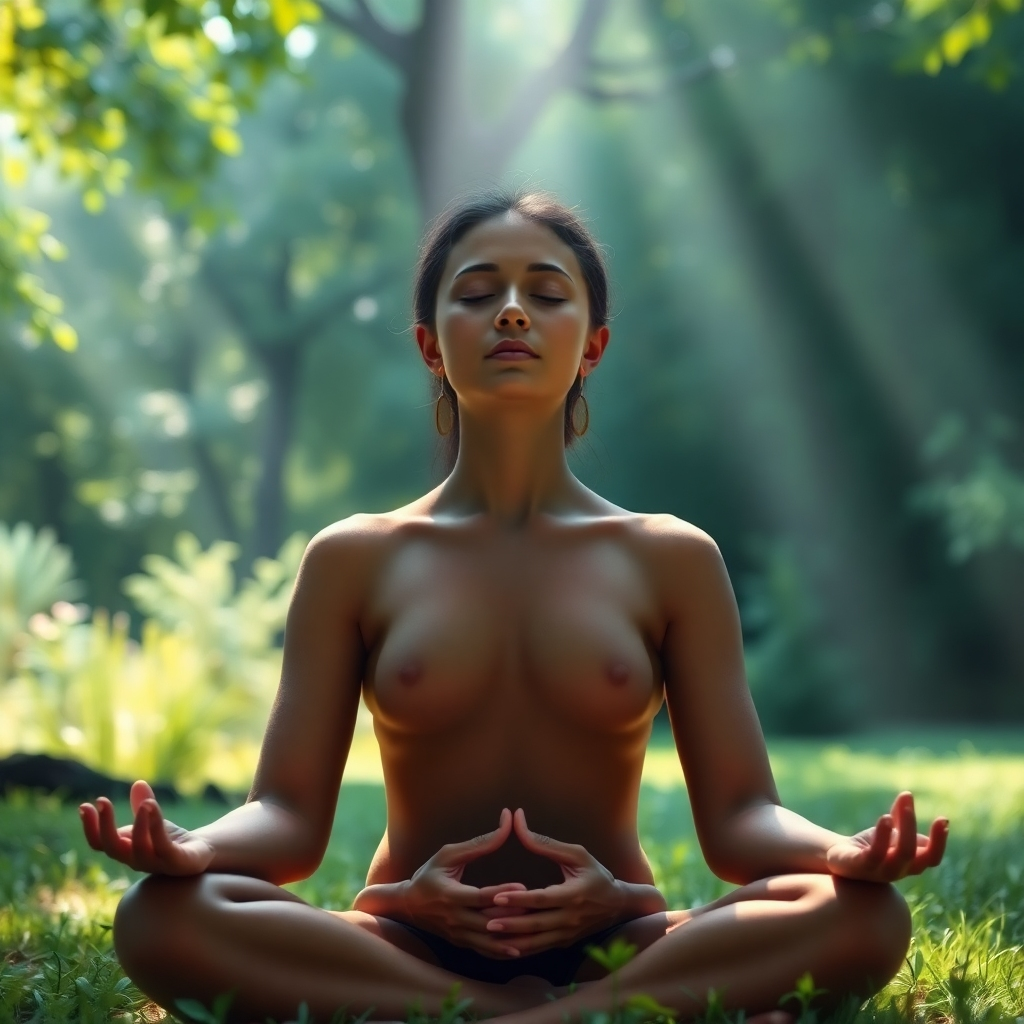
Create a photorealistic image depicting a person meditating in a serene natural setting. Their hands are resting gently on their knees, and their eyes are closed. A beam of light shines down from above, illuminating their face and body. The background should feature a lush forest or a peaceful garden, with soft, dappled sunlight filtering through the trees. The color palette should be calming and harmonious, with greens, blues, and purples dominating the scene. Camera angle: medium shot, capturing the person's face and upper body. Style: peaceful and contemplative, with a touch of spirituality.

Connecting Mind and Body

Learn how intuition bridges the gap between the conscious mind and the body's innate healing wisdom.

The Power of Touch: Exploring Pressure Point and Intuitive Massage Therapies

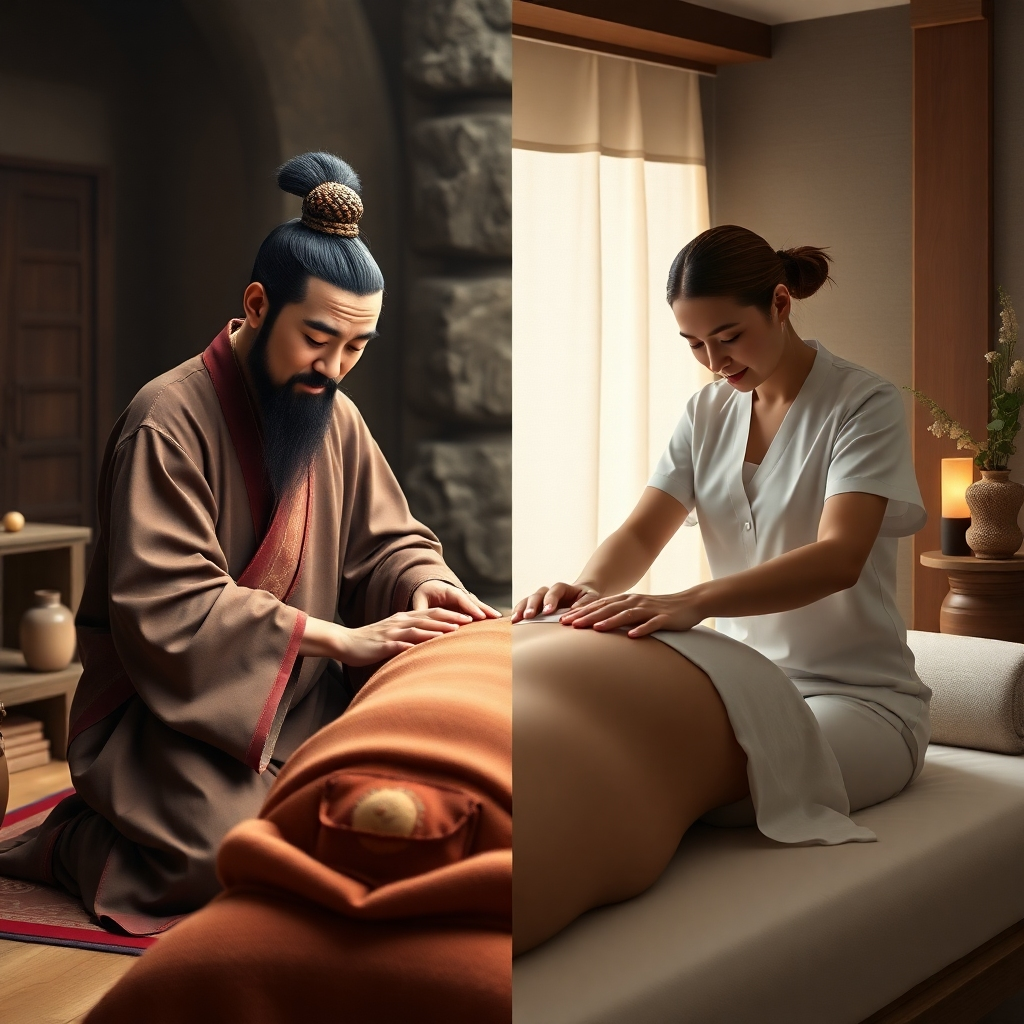
Create a photorealistic image showcasing a side-by-side comparison of ancient and modern massage practices. On one side, depict an ancient Chinese healer applying pressure to a patient in a traditional setting. On the other side, show a modern massage therapist performing pressure point massage in a contemporary spa environment. Use a split-screen composition to emphasize the contrast and continuity between the two eras. The color palette should be muted and earthy for the ancient scene, and brighter and more vibrant for the modern scene. Camera angle: medium shot, capturing the healer/therapist and the patient/client. Style: historical accuracy combined with modern aesthetics.

Ancient Roots, Modern Practice

Explore the historical origins of pressure point massage and its relevance in today's fast-paced world.
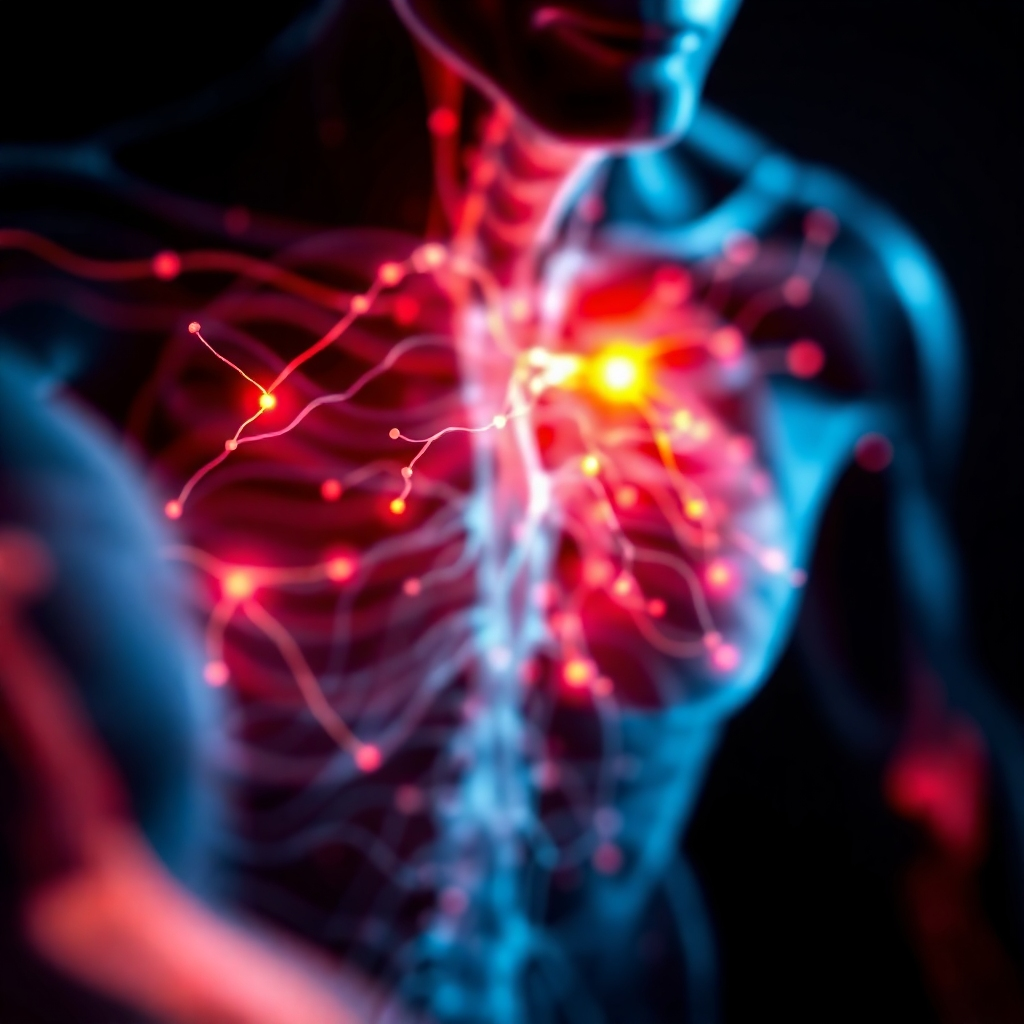
Generate an abstract image representing the body's internal signals. Use a combination of light and shadow, color and texture, to convey the sensation of pain and discomfort. Consider incorporating elements of anatomical illustration, such as nerve pathways or muscle fibers, to add a layer of realism. The color palette should be dark and intense, with flashes of bright color to represent areas of pain or inflammation. Camera angle: close-up, focusing on the abstract representation of the body's signals. Style: abstract and expressive, with a touch of realism.

Tuning into the Body's Signals

Develop your ability to perceive subtle cues and understand the body's unique language of pain and discomfort.
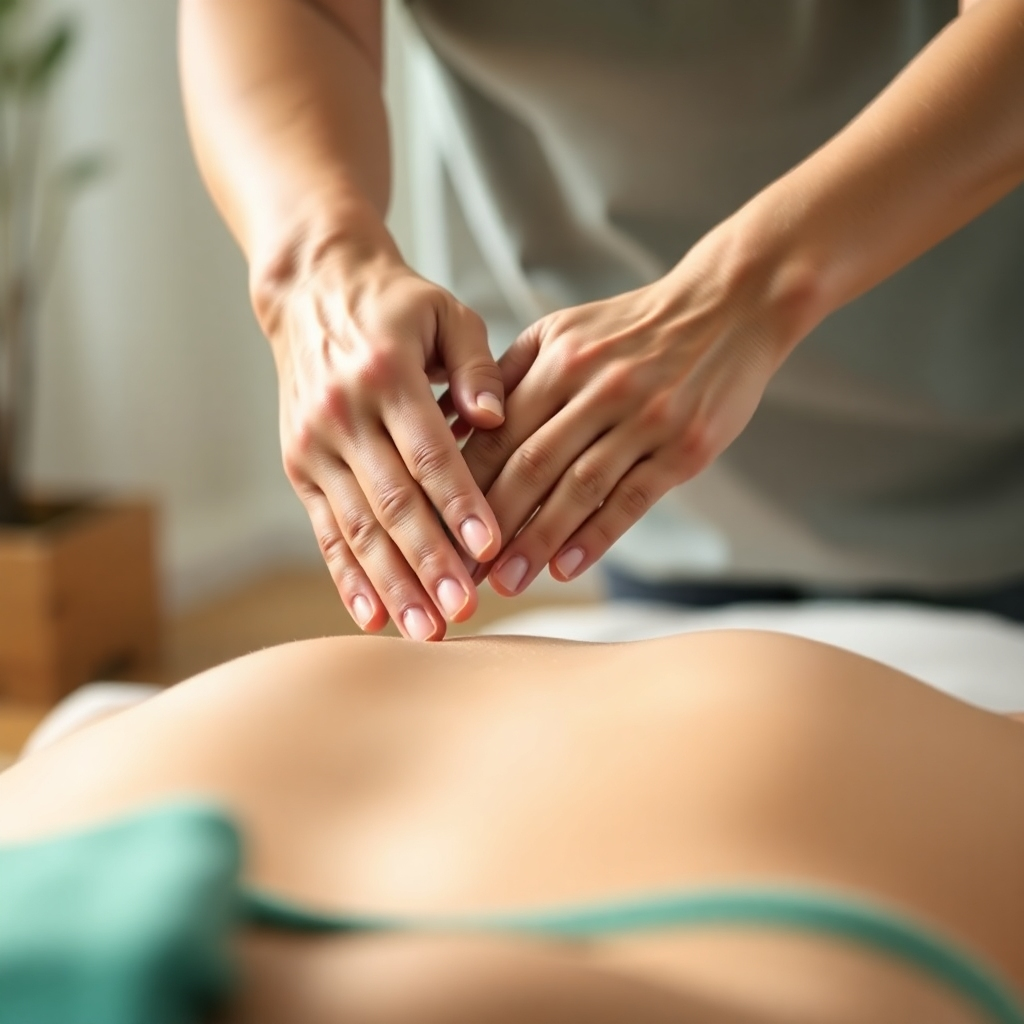
Create a photorealistic image depicting a massage therapist's hands gently guiding a client's body through a stretch. The focus should be on the connection between the therapist's hands and the client's body. The background should be blurred and out of focus, suggesting a safe and supportive environment. Soft, diffused lighting should illuminate the scene, highlighting the textures of skin and clothing. Use a warm color palette of greens and blues to convey a sense of healing and relaxation. Camera angle: close-up, focusing on the hands and the client's body. Style: gentle and supportive, with a touch of empowerment.

The Therapist as a Conduit

Embrace the role of a facilitator, guiding the body towards self-healing through skilled touch and mindful presence.

Ancient Wisdom, Modern Healing: A Guide to Pressure Point and Intuitive Massage
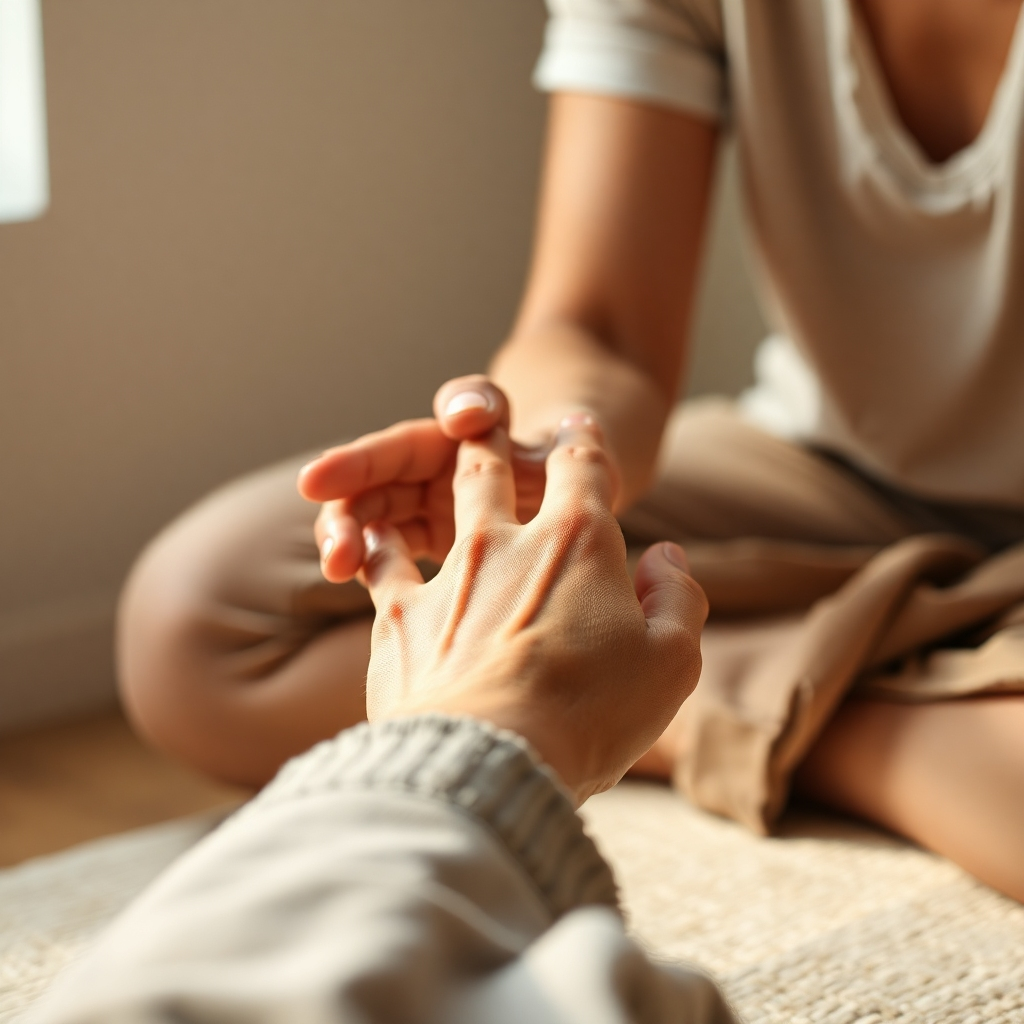
Create a photorealistic image showing a person applying pressure to a specific pressure point on their hand or foot. The focus should be on the hand or foot, with the rest of the body blurred and out of focus. The background should be simple and uncluttered, suggesting a quiet and peaceful environment. Soft, natural lighting should illuminate the scene, highlighting the textures of skin and clothing. Use a warm color palette of earthy tones to convey a sense of grounding and self-care. Camera angle: close-up, focusing on the hand or foot. Style: practical and accessible, with a touch of elegance.

Self-Healing Through Touch

Empower yourself with simple yet effective pressure point techniques for everyday wellness and self-care.

Integrating Intuition into Practice

Develop your intuitive abilities and learn how to incorporate them into your massage practice for deeper, more meaningful results.
Generate an ethereal image representing the connection between intuition and massage. Use soft, flowing lines and translucent colors to create a sense of fluidity and openness. Consider incorporating symbols of intuition, such as a third eye or a guiding light. The background should be abstract and dreamlike, suggesting a realm of infinite possibilities. The color palette should be pastel and iridescent, with hints of gold and silver. Camera angle: wide angle, capturing the entire scene. Style: ethereal and dreamlike, with a touch of mysticism.
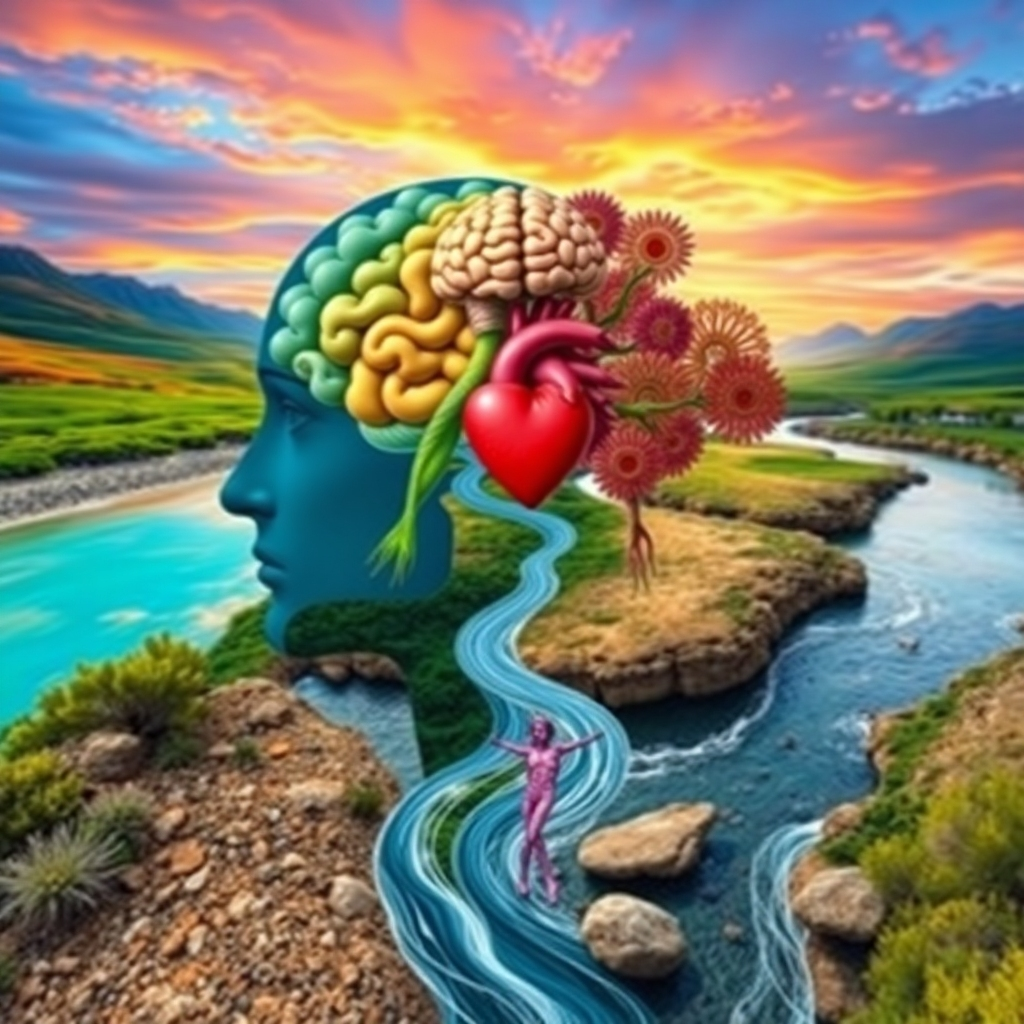
Create a composite image representing the interconnectedness of mind, body, and spirit. Use a variety of visual elements, such as a human figure, a brain, a heart, and a flowing river, to symbolize the different aspects of the holistic self. The background should be a vibrant and colorful landscape, suggesting a state of harmony and balance. The color palette should be rich and diverse, with each color representing a different aspect of wellness. Camera angle: wide angle, capturing the entire composite image. Style: symbolic and meaningful, with a touch of whimsy.

A Holistic Approach to Wellness

Embrace a holistic perspective that integrates mind, body, and spirit for optimal health and well-being.
Powered By Therapeutic Connection